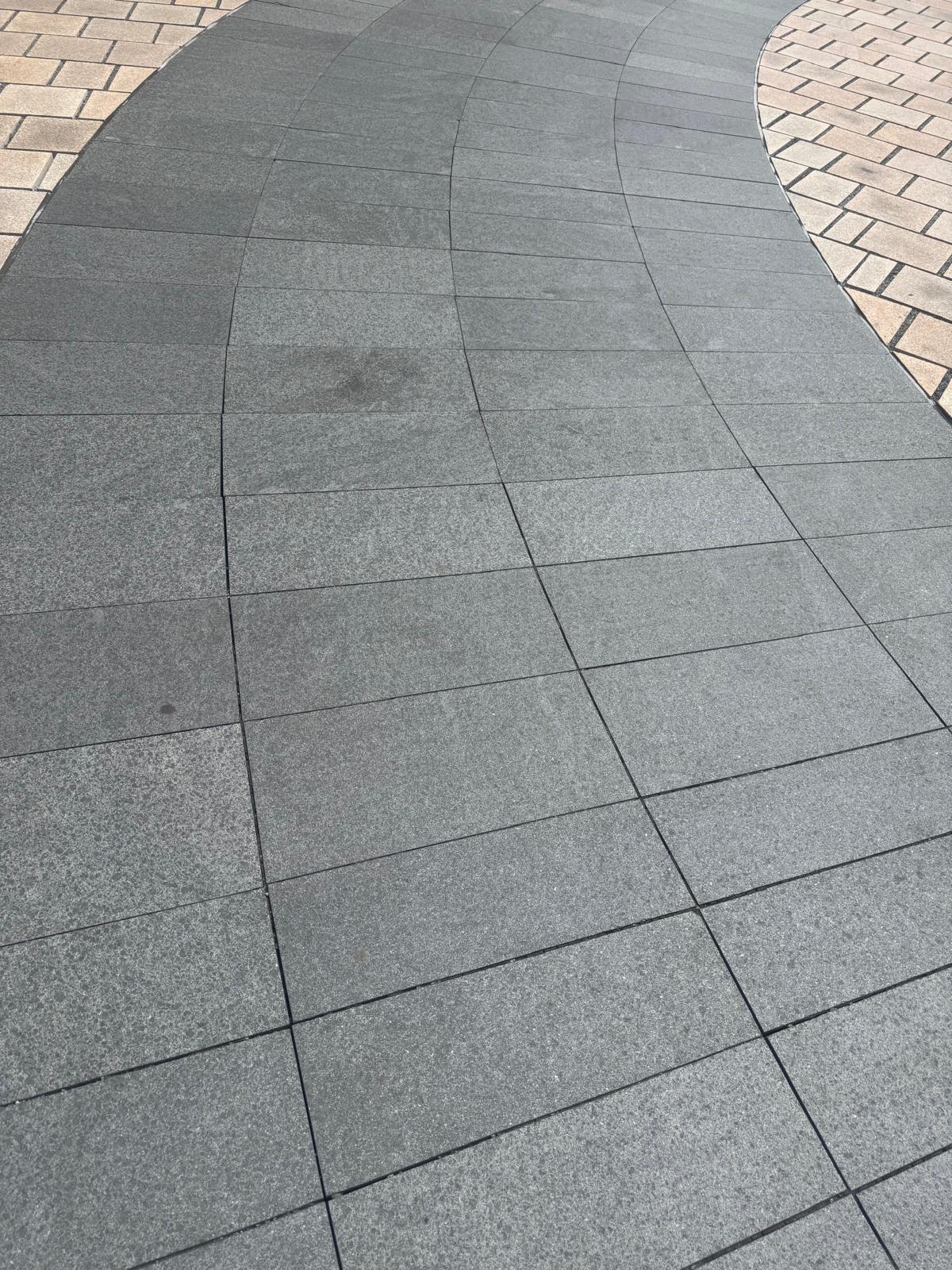

Road, Kerb, Pavement
Designing and constructing pavement for Transport for London (TfL), Local Authorities (both referrs to as Highway Authority) or a Private Development requires careful attention to durability, safety, sustainability, and long-term maintenance, particularly because of the heavy use and urban constraints across the capital’s roads and transport network. Here's an overview tailored for a professional projects:
Pavement Design
TfL is responsible for the Transport for London Road Network (TLRN), also known as "red routes" while the Local Authorities are responsible for the ''yellow routes''. Apart from these thousands stretches of heavy traffic and busy roads in London, we also consider private development, business and commercial environment, Pavement here must be designed to handle:
- High traffic volumes (especially buses, taxis, cyclists)
- Frequent utility work and reinstatements
- Urban drainage and runoff challenges
- Sustainable Urban Drainage Systems (SuDS) integration
Design Standards and Guidelines
Highway Authorities follow a mix of UK and internal standards. Key references include:
- Design Manual for Roads and Bridges (DMRB) – for structural pavement design.
- Streetscape Guidance – for materials, finishes, and detailing in streets and public realm.
- Manual of Contract Documents for Highway Works (MCHW) – for construction specifications.
- London Cycling Design Standards (LCDS) – for cycle-friendly pavements.
Pavement Design Types
a. Flexible Pavement (Asphalt-Based)
- Preferred for urban streets due to ease of maintenance.
Typically consists of